Why a Tuk-Tuk Is the Best Way to Explore Sri Lanka
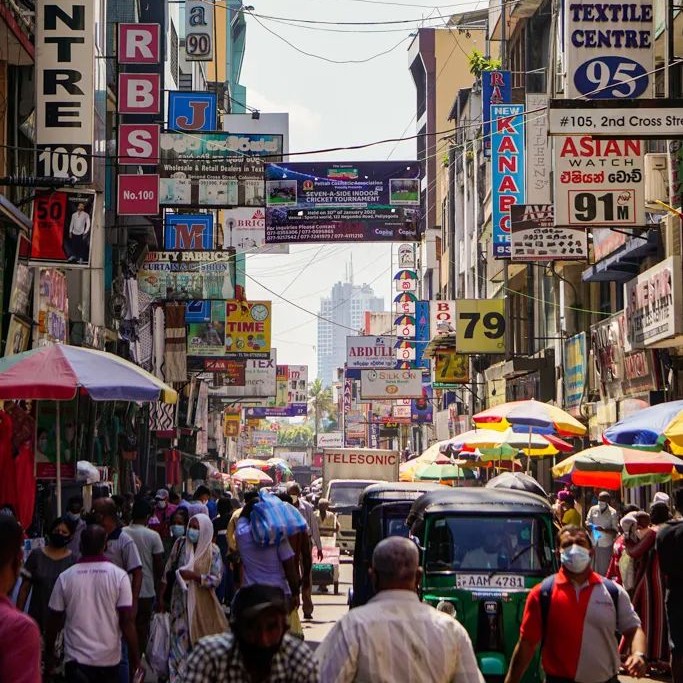
Forget air-conditioned tourist buses. The only honest way to feel Sri Lanka's heat, smell its spices and hear its chaos is from the open cab of a three-wheeler rattling down a coast road at 40 km/h with the wind in your face.
A tuk-tuk gives you something no other vehicle can: total freedom with zero commitment. You can pull over for a coconut at any roadside stall, detour to a temple you just spotted, or simply stop in the middle of a paddy field because the light is extraordinary.
What to Expect on the Road
Sri Lankan roads are an experience in themselves. You'll share the tarmac with buses that treat road markings as suggestions, cows with strong opinions about right of way, and the occasional elephant in the hill country. Here's what seasoned tuk-tuk travellers have learned:
- Mornings are golden — traffic is lighter before 8 am and the light is perfect for photography.
- Avoid A-roads at rush hour — the A1 Colombo–Kandy highway becomes a car park between 7–9 am and 5–7 pm.
- Mountain roads after rain — beautiful but slippery. Take B-roads through the hill country slowly.
- Fuel stops — tuk-tuks run on petrol. Fill up in towns; rural stations can be 30 km apart.
The Three Classic Sri Lanka Tuk-Tuk Routes
1. The Coastal Loop (7 Days)
Start in Negombo, hug the west coast south through Colombo and Galle, swing east along the south coast to Arugam Bay, then loop back through the cultural triangle. About 850 km — very manageable at a relaxed pace.
2. The Hill Country Run (4 Days)
Kandy → Nuwara Eliya → Ella → Haputale. The scenery is jaw-dropping: tea estates cascading down hillsides, waterfalls you can park next to, train bridges straight out of a postcard.
3. The Ancient Cities Circuit (3 Days)
Anuradhapura → Polonnaruwa → Sigiriya → Dambulla. UNESCO World Heritage sites on every corner, minimal traffic, pancake-flat roads.
Costs Breakdown
Budgeting is simple once you know the numbers:
- Tuk-tuk rental: ~LKR 4,500–6,500 per day with TukRental.com
- Fuel: ~LKR 600–900 per day (roughly 120–160 km range)
- Roadside food: LKR 200–500 for a rice-and-curry lunch
- Guesthouses: LKR 2,000–5,000 per night in the mid-range
Tips From Experienced Drivers
Always carry a printed copy of your booking confirmation. Mobile signal can be patchy in the hill country and border checkpoints sometimes ask for paperwork.
Pack a small daypack you can keep in the cab — sunscreen, a waterproof layer, a power bank and snacks. The tuk-tuk's storage is limited but the cab is deep enough to squeeze a 60L backpack behind the seat.
Final Thought
There's a moment, usually somewhere on the south coast just before sunset, when you're cruising past coconut palms with the Indian Ocean on your left and you realise this is exactly what travel is supposed to feel like. The tuk-tuk gets you there every time.